These are the 10 finalists of the 2025 FutureTravel Pitch Competition

The FutureTravel Summit is back to Barcelona on October 30th, and this year we’ll be gathering at the beautiful Antigua Fábrica Estrella Damm – a former brewery turned into one of the city’s most vibrant cultural venues.

On top of the speaker sessions, there’s one moment that always brings the energy: our startup pitch competition. 10 early-stage travel startups take the stage. And that’s their shot to impress the jury and take home a prize package worth €350K.

The Prize Package

The winning startup team will receive a prize package with a value of €350K in credits. The prize package items include the following:

  • Up to €310,000 in Google Cloud credits, including one year of free Google Workspace for new signups in the Startup Program, dedicated support from Google’s Startup Success team, and direct technical guidance from Google engineers.
  • 90% discount on HubSpot‘s AI-powered and connected CRM (prize valued at 17.000 USD) with tools to scale sales, marketing, and customer operations.
  • €9,900 worth of simpleshow credits to produce high-quality, AI-powered explainer videos.
  • 6 months free on Notion’s Business Plan with unlimited AI features (up to €10,000 in value), plus access to the Notion Perks program and the Champions Community.
  • €5,000 in JetBrains licenses for top-tier development tools like IntelliJ IDEA, PyCharm, and JetBrains AI.
  • A complimentary exhibition booth at the 2026 FutureTravel Summit (valued at €2,000), including 3 event tickets.
  • Plus: media visibility, including a spotlight in the FutureTravel newsletter and coverage in EU-Startups.com.

The Jury

Our 10 finalists will pitch in front of a world-class jury composed of leading venture capital experts, including: Bobby Demri (ROCH Ventures), Elena Ruiz Requena (Amadeus Ventures), Jose Gaytan de Ayala (Kinnevik) and Virginia Bassano (Eight Roads). Additional VCs, business angels, and startup accelerators will also be in the audience, making this a unique chance for high-impact exposure and feedback.

The Finalists

Now, time to reveal the 10 outstanding finalists of this year’s edition:

  • ALOE: Founded in 2023, ALOE is the experience layer for hospitality, a plug-and-play platform where hotels can sell their own services and offer curated experiences from local providers through an integrated marketplace. The Italian startup allows guests to book everything in one place, while hotels earn a commission on every sale.  It simplifies the booking, management, and payment processing of external experiences, helping hotels unlock new revenue streams.
  • ALTEK AI: Headquartered in Norway, Altek AI helps hotels automate customer service. Its AI platform connects directly to hotel systems such as the PMS and booking engine, allowing the assistant to answer questions, make bookings, and upsell in real time. Their solution is designed to improve the guest experience, reduce staff workload, and increase revenue.
  • Controlá: Founded in 2023, Controlá installs plug-and-play smart devices to automate energy management in vacation rentals, offices, and coworking spaces. Their system detects presence and environmental conditions to automatically control air conditioning, lighting, and water heating, reducing energy consumption without compromising user comfort. Based in Spain, they promote sustainability adapted to your needs.
  • Cora: Set up in 2023 in Italy, Cora develops an operations management platform powered by AI and designed for every type of accommodation that seamlessly allows the control of any hospitality facility. It streamlines tasks like housekeeping, maintenance, and internal communication through a cloud-based dashboard and mobile app. The platform helps improve staff productivity, reduce costs, and ensure consistent service quality.
  • Cumbaya: Founded in 2024, this Belgian startup offers an AI-powered platform that simplifies trip planning, booking, and management. Users can instantly generate personalised itineraries based on their interests, needs, and budget. The app also provides real-time recommendations and dynamic tools to adjust plans on the go, streamlining the entire travel experience.
  • HostyAI: Straddling Portugal and Australia and founded in 2024, HostyAI offers a SaaS platform that helps short-term rental hosts and property managers automate guest communication. Their AI-powered assistant handles inquiries, sends personalised messages, and supports guests 24/7 across platforms like Airbnb, WhatsApp, and email. By integrating with reservation systems, it adapts responses based on booking details, house rules, and local regulations.
  • ReLUGG: Based in Germany, ReLUGG is an instant luggage compensation platform. It partners with airlines to instantly compensate passengers affected by delayed luggage and to provide luggage essentials, all within 30 minutes of arrival. It charges airlines per passenger served, with no upfront costs or long-term contracts. The solution integrates seamlessly with airline operations and passenger communications, enabling real-time eligibility checks, service activation, and reporting to minimise airline effort and maximise passenger satisfaction.
  • Via.ai: Based in the UK, Via.ai operates at the intersection of AI technology and customer engagement. Founded in 2023, the startup enables brands to integrate a branded, conversational assistant into their existing apps or websites, offering users real-time, personalised travel and lifestyle recommendations. These intelligent agents are available 24/7, continuously learning from interactions and are designed to turn everyday engagement into meaningful, loyalty-building experiences.
  • Voyla: Founded in 2024, this Hong Kong-based startup addresses a major pain point for Gen Z travellers who save hundreds of posts on social media and platforms like Google Maps, but never organise them. Voyla is building a personal AI agent that captures and learns users’ travel preferences from scattered social media saves. The AI agent analyses shared posts to understand each user’s unique travel vibe, then automatically organises and recommends personalised destinations that match their interests.
  • Yaay: Headquartered in Denmark and founded in 2024, Yaay is an AI- and creator-powered travel app that transforms users’ favourite TikTok and Instagram travel videos into bookable trips. Users can save destinations, hotels, experiences, or restaurants to Yaay, organise them in visual moodboards, and let the AI find a way to book it all. Alternatively, they can discover shoppable videos from trusted travel creators and the wider community directly on the platform.

Startups are not just “nice to have” in travel anymore. They’re reshaping how the whole system works. Come see 10 of the most ambitious teams take the stage with what they’re building next. Get your ticket!

FutureTravel Summit Speaker: Jeff Kim, CEO of Yanolja Cloud & Group CSO 

We’re excited to welcome Jeff Kim, CEO of Yanolja Cloud and Chief Strategy Officer of Yanolja Group, to the FutureTravel Summit on October 30.

Since joining Yanolja in 2015, Jeff has played a central role in its transformation into a global travel tech company – one that’s quietly redefining how infrastructure in hospitality, leisure, and mobility is built and scaled. Yanolja connects with more than 1.33 million hotels and travel enterprises across 206 countries worldwide, and partners with over 21,000 travel sales channels, including booking platforms and travel agencies as well as tour operators and bedbanks.

Jeff’s background at McKinsey, Google, and 3M gave him the strategic edge to navigate rapid growth, complex acquisitions, and product expansion across regions. But what makes his leadership stand out is the long-term vision: instead of chasing visibility, Yanolja has focused on building tools that work behind the scenes—moving the industry forward by upgrading its foundations.

Earlier this year, Jeff also shared his perspective in a guest post on FutureTravel, reflecting on 20 years of Yanolja and what the next phase of travel tech could look like. You can read it here.

At the FutureTravel Summit, he’ll join us on stage to talk about that future: what it means to lead through deep tech shifts, how to scale in a fragmented global market, and where he sees the next wave of innovation emerging. Join us in Barcelona on October 30 to hear it live!

Zara just showed up for travelers

Zara quietly launched Travel Mode: curated city guides plus a “ship-to-hotel” checkout option for travelers. It’s already live in Italy, the UK, and Japan, with Spain, France, and Turkey next. And right in time for peak season.

Zara. Yes, the Spanish fashion giant. The retail machine operating in more than 90 countries. Not exactly who we’d expect to set the bar on traveler experience. But yes… that’s what they’re doing.

To be clear: this goes way beyond a clever brand campaign. Zara is moving into the travel spending window. The moment when people are in a new city, ready to spend, and looking for things that make them feel good now. And it solves a clear use case: limited luggage, urgent need, high purchase intent. Delivering (literally) to where the traveler is.

This didn’t require Zara to build anything new. They didn’t build a booking engine. They didn’t expand inventory. They didn’t strike hotel partnerships. They just repacked their existing stack (logistics, product, customer data) around a different moment in the customer journey. No CAPEX. No new teams. Just sharp execution and a clear read on behavior.

Look sideways. Lifestyle brands are ready absorbing parts of the experience that travel companies have left exposed. If you’re still thinking in terms of bookings and beds, you’re already behind. Time to zoom out.

Yes, there’s a conversation to be had about fast fashion and overconsumption. But for now, let’s acknowledge the ones mastering execution.


For more stories like this, subscribe to the FutureTravel newsletter. Weekly insights on travel, tech, and the people shaping what’s next. It’s free

20 Years of Travel Tech and What Comes Next

written by Jeff Kim

20 years ago, Sujin Lee worked as a janitor at a motel in South Korea. It was through this experience, witnessing firsthand the inefficiencies in the travel and hospitality industry, that he was inspired to create something different. With a vision for change and just two desks and two computers in a friend’s apartment, Sujin founded Yanolja. What started from these modest beginnings has now grown into one of the world’s leading travel tech platforms.

As we mark Yanolja’s 20th anniversary, I’ve been reflecting on how much the travel industry has changed, and what we’ve learned along the way. From the earliest days of online booking to the AI-powered solutions we’re developing now, one thing has remained constant: the belief that technology can make travel more seamless, more accessible, and more human.

Back in 2005, booking travel often meant brochures, phone calls, and hoping your agent got it right. The rise of online travel agencies gave us control and comparison. But now, with tools like OpenAI’s Operator, we’re entering a new chapter: AI that assists users by performing tasks such as browsing the web, inputting, clicking, and managing travel bookings. All autonomously.

Operator is part of our broader strategy to harness generative AI to deliver hyper-personalized travel experiences. With this collaboration, we aim to enhance our AI services and streamline operations throughout every stage of the travel journey, enhancing both customer satisfaction and loyalty. It’s a natural evolution for us, as we’ve always believed that technology should take care of the heavy lifting, so people can take care of people.

For travelers, it means fewer headaches. For businesses, smarter operations. And for us, it’s a return to something foundational. Yanolja was born out of real challenges in the field, not a corporate boardroom. That perspective still drives our work today.

Airports, too, have transformed. What used to be long lines and endless queues has given way to self-service kiosks, mobile check-ins, and biometric screening. With programs like Clear or the TSA’s facial recognition rollout, travelers are moving faster and more confidently through each step of the journey. It’s a sign of how much we now trust technology to move us: physically, logistically, and emotionally.

The in-flight experience has evolved in kind. From shared screens to personal streaming, connectivity has become standard. And with partnerships bringing curated content and elevated dining to the skies, airlines are reimagining what it means to travel well. Still, as we add more layers of tech, we need to ask: are we keeping the spontaneity that makes travel special?

The same question applies to where we stay. Yanolja has always believed in equipping hotels with smarter solutions, not just glossier apps. From AI concierge services built with Google’s Gemini to dynamic pricing and real-time content updates, we’re helping hospitality teams do more with less, without losing the warmth that defines good service. Technology should take care of the heavy lifting, so people can take care of people.

And so, the big question: what’s next?

As robotics, AI, and automation reshape every part of the journey, the question isn’t whether change will come, but whether we’ll guide it with purpose. Travel tech can do more than remove friction. It can open doors for small businesses. Help travelers feel seen and supported. Make the journey as thoughtful as the destination.

That’s the legacy we’re building on. That’s the future we’re working toward.

Because travel is never just about where we go. It’s about how we feel (and who we become) along the way.

Pitch Competition Applications Now Open for the FutureTravel Summit 2025

We’re officially opening the call for startups: the FutureTravel Summit Pitch Competition is back.

On October 30th, Barcelona will once again host the FutureTravel Summit: a global gathering of over 450 travel innovators, startup founders, corporate executives, and investors. Set in one of Europe’s most iconic travel hubs, the summit brings together forward-thinking minds shaping what’s next in travel and hospitality.

The Pitch Competition is always a highlight of the event. It’s a launchpad for early-stage travel startups looking to gain traction, visibility, and strategic connections.

The Criteria

This year’s competition will see 10 early-stage startups that are:

  • Travel & hospitality startups
  • At pre-seed or seed stage
  • Founded within the last 3 years

If that sounds like you, apply through our application form. Applications close on June 29th.

The Prize Package

Selected startups will pitch live in front of a top-tier jury of investors and industry leaders. The winning startup will walk away with a prize package worth over €355,000.

That includes:

  • Up to €310,000 in Google Cloud credits, including one year of free Google Workspace for new signups in the Startup Program, dedicated support from Google’s Startup Success team, and direct technical guidance from Google engineers.
  • 90% discount on HubSpot‘s AI-powered and connected CRM (prize valued at 17.000 USD) with tools to scale sales, marketing, and customer operations.
  • €9,900 worth of simpleshow credits to produce high-quality, AI-powered explainer videos.
  • 6 months free on Notion’s Business Plan with unlimited AI features (up to €10,000 in value), plus access to the Notion Perks program and the Champions Community.
  • €5,000 in JetBrains licenses for top-tier development tools like IntelliJ IDEA, PyCharm, and JetBrains AI.
  • A complimentary exhibition booth at the 2026 FutureTravel Summit (valued at €2,000), including 3 event tickets.
  • Plus: media visibility, including a spotlight in the FutureTravel newsletter and coverage in EU-Startups.com.

The jury

Startups will pitch in front of a jury that includes:

The jury’s questions and insights helped past participants shape their strategies, connect with investors, and grow their businesses beyond the stage.

More than a pitch

The FutureTravel Summit goes beyond the pitches, it’s a space for meaningful connections within the industry. Join us to meet the people building the future of travel, spark collaborations, and learn from the minds moving the industry forward.

Apply now for your chance to pitch and be part of one of Europe’s most dynamic event focusing on travel innovation.

Designed for tourists, showing up for locals

What happens when a travel platform partners with the people most affected by tourism?

Barcelona’s Las Ramblas needs no introduction. For years, it has symbolized both the success and the strain of European tourism. A postcard-perfect promenade that became overcrowded, overpriced, loud, and, for many locals, unlivable.

So when GetYourGuide, one of the world’s largest online tour platforms, partnered with the Associació de Veïns de les Rambles (a neighborhood association that has long pushed back against the excesses of tourism), in 2022, it raised eyebrows. Could a booking platform built on selling more experiences work hand-in-hand with local residents who want fewer tourists?

As it turns out: yes, if they’re aligned on how tourism should evolve.

The future of travel isn’t about volume – it’s about value. And value is created when tourism enriches rather than extracts from the places people visit.

Toni Bennasar, GetYourGuide’s General Manager in Spain

Together, they launched a long-term initiative to support the urban revitalization of La Rambla by rethinking what tourism contributes to the street, the neighborhood, and the people who live there. In 2024, seven antennas were quietly installed along the 1.2-kilometer stretch of La Rambla to better understand footfall patterns: who comes, when, and how they move. Adding another layer of insight to inform more balanced, community-aware decisions.

The collaboration blends urban development research, cultural programming, and local engagement to bring the community back to the center of the tourism equation.

It’s an ecosystem of actions, rather than a one-off marketing campaign. Some actions are small, some symbolic, some systemic.

– There’s Tast a la Rambla, an annual food festival that turns the boulevard into a showcase for local chefs and products, not tourist traps.

– There’s a poster series, co-created with local artists in partnership with Elisava and Massana, 2 of Barcelona’s long-standing design schools. Each piece challenges the idea of what a souvenir is, and who it’s for.

– And there are free cultural experiences for residents, like walking tours and open access for residents to ride Las Golondrinas or visit the Wax Museum. Because a living city is one where locals feel welcome, too.

The initiative focuses on redistribution – of attention, of spending, of visibility. Instead of asking tourists to avoid La Rambla entirely, it invites them to see it differently: to notice the stories behind the storefronts, to explore nearby streets that rarely make it into travel guides, to support businesses that reinvest in the neighborhood.

Our responsibility extends beyond just connecting travelers with experiences – it’s about cultural preservation and ensuring that La Rambla remains authentic for generations to come. We believe in responsible tourism, which leaves a place better than it found it.

Toni Bennasar, GetYourGuide’s General Manager in Spain

There’s no app. No loyalty scheme. No over-engineered tech layer. Just good, honest work between a local association that’s been advocating for La Rambla for decades, a city government under pressure to restore livability, and a travel company willing to use its platform to promote more thoughtful travel.

It’s meaningful because it asks a deeper question:

Can travel businesses become stewards of place, not just sellers of access?

In this case, the answer is yes, when they stop thinking of “locals” as marketing props and start engaging them as partners. Amics de la Rambla brought history, trust, and grassroots perspective. GetYourGuide brought visibility and global reach. The city helped clear a path. Together, they created something rare: a public-private-civic collaboration where incentives were aligned not around growth, but around balance. That’s a small but vital shift.

Why it matters:

  • It shows that platforms can rethink their role, not just as intermediaries, but as curators with responsibility.
  • It centers local voices in tourism product design, in a co-creation process.
  • It offers a replicable approach for destinations under pressure: pairing scale with intimacy.

There’s no miracle fix for overtourism, but this is a model worth watching. It reminds us that even the biggest travel companies can choose to participate in more equitable, community-rooted tourism. If they’re willing to share power.

That’s exactly the tourism we want.

10 Female Founded Startups to Watch

A sparkle of innovation usually starts with someone asking, What if we did this differently? These 10 female founders and co-founders are doing exactly that.

At FutureTravel, we focus on what’s next: the ideas, businesses, and people shaping the industry’s direction. For International Women’s Day, we’re give the spotlight to women whose work deserves attention. They’re solving big, complex problems or refining how we book, move, and experience travel.

We’re using a few emojis to make this list easy to scan:

  • 🚀 represents the company name and it’s clickable, taking you directly to their website.
  • 👩‍🚀 highlights the female founder (or co-founder) and their name is also clickable, linking to their LinkedIn profile.
  • 📍 shows where the company is based.

This way, you can explore their work, connect with them, and see how they’re shaping the future of travel.

These founders are already contributing to the future of travel. Here are the names you should know.

🚀 Byway
👩‍🚀 Cat Jones
📍 United Kingdom

Byway creates personalized, flight-free holidays across the UK and Europe, helping travelers explore by train, ferry, bus, and bike. Focused on slow travel, their trips prioritize scenic routes, unique stays, and local experiences over speed. Byway’s approach makes sustainable travel easy and enjoyable, steering clear of crowded hotspots while offering seamless, well-planned journeys.

🚀 Daytrip
👩‍🚀
👩‍🚀 Valeriia Pshenychna + Marketa Blahova
📍Czech Republic / United Kingdom

Daytrip connects travelers with local, English-speaking drivers for private, door-to-door rides between cities. Instead of just getting from A to B, travelers can stop at interesting places along the way, turning the journey into part of the experience. Operating in over 130 countries, Daytrip makes intercity travel more comfortable and insightful, offering a local’s perspective while ensuring a smooth and safe ride.

🚀 GetYourVisa
👩‍🚀
Carlyn Gabon
📍Germany / Philippines

GetYourVisa simplifies the visa application process, helping travelers secure tourist and business visas for destinations like the U.S., Australia, and Germany. With an easy-to-use web app, applicants can apply, track progress, and improve approval chances in one place. Whether for individuals or companies, GetYourVisa makes navigating visa requirements less stressful, so travel plans aren’t held back by paperwork.

🚀 Holafly
👩‍🚀
Yingyan Hu
📍Ireland

Holafly provides eSIMs that let travelers stay connected in over 220 destinations without needing a physical SIM card or worrying about roaming fees. Their digital SIMs offer instant activation and unlimited data, making it easy to stay online while traveling. Designed for individuals, businesses, and travel agencies, Holafly’s eSIMs are also an eco-friendly alternative, reducing plastic waste while ensuring hassle-free connectivity.

🚀 Kindred
👩‍🚀 Justine Palefsky + Tasneem Amina
📍United States

Kindred is a members-only home-swapping network that lets travelers stay in each other’s homes for free, aside from small service fees. Members earn credits by hosting others, which they can use to book stays in other Kindred homes. Designed for renters and homeowners across North America and Europe, Kindred focuses on trust, community, and affordability—making travel more accessible without the cost of traditional accommodations.

🚀 Landfolk
👩‍🚀
👩‍🚀 Camila Swartz + Cathrine K. Reimann
📍Denmark

Landfolk is a holiday home marketplace offering handpicked vacation rentals in nature-rich locations across Europe. Founded by former Airbnb employees, the platform focuses on high-quality, scenic stays away from busy cities. Each home is chosen for its unique charm, great hosts, and immersive surroundings. With direct host contact and all-inclusive pricing, Landfolk makes it easy for travelers to enjoy a peaceful escape in Denmark, Norway, Germany, Sweden, and beyond.

🚀 Love to visit
👩‍🚀
👩‍🚀 Alice Aubrey + Georgia Aubrey
📍United Kingdom

Lovetovisit makes it quick and easy to discover and book attractions, events, and experiences across the UK. Founded by twin sisters Georgia and Alice Aubrey, along with tourism expert Fed Pereira, the platform cuts booking times from 18 minutes to under one. With AI-driven recommendations, interactive maps, and exclusive experiences, Lovetovisit helps travelers and locals explore beyond the usual tourist spots, connecting them with unique things to do across the country.

🚀 NaviSavi
👩‍🚀 Sally Bunnell
📍United States

NaviSavi is a video-based travel platform where users can discover, plan, and book trips through short, unedited clips from real travelers. Instead of relying on polished marketing photos, travelers see authentic experiences before they book. Users can also upload videos and earn rewards. Covering over 1,000 destinations in 180+ countries, NaviSavi helps travelers explore with confidence while offering travel brands a library of real user-generated content.

🚀 The Trip Boutique
👩‍🚀
Fernanda Barrence Mutz
📍Switzerland

The Trip Boutique combines AI and human expertise to create personalized travel itineraries tailored to individual interests and lifestyles. Since its founding, the company has evolved alongside technology, refining its approach to smarter, more customized trip planning. Travel brands can also integrate its AI-powered recommendations into their platforms, offering travelers seamless, data-driven suggestions for hotels, restaurants, and experiences.

🚀 wmnsWORK
👩‍🚀 Iris Serbanescu
📍Canada

wmnsWORK is the first global business accelerator designed for women and non-binary entrepreneurs in tourism. While not a travel startup itself, it plays a key role in shaping the industry by supporting early-stage founders through expert-led workshops, mentorship, and community. Focused on tourism businesses like hotels and tour operators, wmnsWORK is tackling the industry’s gender gap and equipping more women to lead and innovate in travel.

→ Subscribe to our newsletter for a weekly curation of the top travel news, straight to your inbox.

Top 100 Women Leaders & Innovators in Travel

Every day, women are making travel better. They lead teams, design strategies, and shape innovation forward. Their work deserves to be seen and celebrated.

This list brings together the Top 100 Women Leaders & Innovators in Travel making an impact around the world. It’s not about titles or awards, just the people doing great work in the industry.

Check it out and share it <3

Let’s make sure their work gets seen.

Sign up Form – Top 100 Women Download (#8)

5 ways to keep travel costs in check

Managing corporate travel isn’t just about getting from point A to B – it’s about balancing cost efficiency, policy compliance, and traveler satisfaction, all while keeping up with an industry that’s rapidly evolving. Travel budgets are under a microscope, and companies need to make every dollar count. The right tools help manage costs, keep things running smoothly, and improve the travel experience.

1. Saving money in a changing market

Corporate travel budgets are constantly being squeezed, but airfares and hotel rates fluctuate unpredictably. Traditional booking methods often fail to capture the best prices at the right time. Real-time air and hotel re-shopping, like what Emburse offers, ensures companies don’t overspend unnecessarily. By continuously monitoring price changes, organizations can automatically rebook when better rates become available. And without needing manual intervention.

This level of automation means companies can maximize budgets without compromising on quality or traveler convenience. As business travel costs continue to rise, this kind of proactive cost management is becoming a game-changer.

2. Travel policies without the hassle

One of the biggest pain points in corporate travel is ensuring policy compliance without making travelers feel restricted. If booking tools are too rigid, employees will find ways around them, often choosing non-compliant options that make expense tracking and reporting a nightmare for finance teams.

Modern travel management solutions, like Emburse, embed corporate policies directly into the booking experience, subtly guiding travelers toward approved options rather than forcing them into strict rules. This approach reduces policy violations while still allowing employees enough flexibility to book travel in ways that make sense for them.

It cuts down on friction, keeps bookings in one place, and helps everyone follow the travel policy.

3. Keeping travelers safe and informed

From geopolitical instability to extreme weather events, travel risk management is a top priority. Companies need real-time visibility into where their employees are at any given moment, ensuring they can respond swiftly in case of emergencies.

By leveraging real-time tracking and instant alerts, businesses can ensure employees stay informed and supported, no matter where they are. This helps reduce travel disruptions and makes it easier for organizations to meet their duty of care responsibilities.

4. Using data to cut travel costs

Tracking spending, analyzing trends, and negotiating better contracts are crucial to building a successful corporate travel program. Yet many companies still rely on outdated systems that provide little (or none) real-time insights.

Emburse delivers robust analytics that offer a clear view of travel spend patterns, supplier performance, and cost-saving opportunities. Travel managers can use this data to make strategic adjustments, optimize partnerships with airlines and hotels, and forecast future spending with greater accuracy. Data-driven decisions require real-time expense tracking – it’s how you stay ahead.

5. Less admin, more impact

Corporate travel should be simple, not just cost-effective. Outdated workflows and manual expense reports make everything harder than it needs to be.

By automating routine tasks like expense reconciliation and approval workflows, travel managers can shift their focus from administrative tasks to more strategic priorities – like optimizing travel policies, negotiating better rates, and improving the traveler experience. The best travel programs don’t just reduce friction, they remove it entirely.

Thanks to Emburse, we’ve managed to reduce our expenses by 20% and reimburse travelers 70% faster.

Albert Kupfer, EMEA OKI Europe

Corporate travel should be easy to manage, but balancing costs, flexibility, and efficiency isn’t always simple. Companies want to save money, employees need seamless booking, and travel managers rely on automation to keep things running smoothly.

Emburse brings it all together in one place, making travel management easier for everyone.

Want to see it in action?

Trust issues

At FutureTravel, we’re always thinking about how industries (and society) shape the way we travel. And yes, you’ve heard it before: AI is transforming travel. Better photos, more data, endless recommendations.

But here’s the catch: When everything looks perfect, how do we know what’s real? Will we be able to recognise the small imperfections and emotion that make up human communication and connection?

This is where trust comes in. But who do we trust? That’s the challenge.

Polished photos and glowing reviews won’t cut it anymore. Travelers want honest advice, the kind that comes from people who’ve been there, know the trends, and tell it like it is. AI can churn out endless data, but data alone won’t build trust. A five-star rating or a flawless AI-enhanced image doesn’t mean a hotel is actually a good choice. What travellers really need are insights like: “this hotel has a rooftop pool – but it’s under construction until July” or “this boutique hotel looks charming – but it’s on a noisy street”.

Brutal honesty will be in high demand. And it’s a currency only traded between humans.

Trust matters more than ever, and partnerships will play a big role. When a travel brand teams up with a trusted airline, hotel chain, or platform, it strengthens its own credibility. Travellers remember the brands that keep their promises – and they stick with them.

AI will keep changing how we travel. But trust? That’s human. It comes from real experiences, real accountability, and real connections. And in travel, that’s everything.

Just some thoughts.

Travel is the new love language

Alright, it’s official: Valentine’s Day isn’t just about chocolates and candlelit dinners anymore. Especially not for travel.

People are looking for new ways to mark the occasion: whether it’s a romantic escape, a solo self-care retreat, or a group celebration. And they’re willing to spend.

In 2024, searches for Valentine’s travel jumped by 15% compared to the previous year. And at a time when tourism is booming. According to UN Tourism, global tourism receipts passed $1.5 trillion last year.

For travel brands, this is a golden opportunity. Our research shows that consumers now want trips that feel personal, flexible, and packed with memorable experiences.

Here’s a closer look at what’s going on:

Who is traveling

FutureTravel | The Business of Love, Feb 2025

Some insights to consider from this segmentation:

Where are they going

  • Intra-European demand: 100% increase in short-haul Valentine’s bookings in 2023.
  • Luxury vs. budget-conscious: While high-end hotels saw an increase, 60% of travelers opted for mid-range accommodations.
  • Longer stays: Instead of one-night getaways, more travelers are extending Valentine’s trips into long weekends.

How are they booking

  • Mobile first: About 35% of Valentine’s travel bookings come from mobile devices.
  • Last-minute surge: Half of all bookings happen within three days of Valentine’s Day, thanks to OTA flexibility.
  • Personal touch: Personalized packages and AI-driven suggestions make a difference. They boost engagement and drive more bookings.

Checking out

  • Diversify your audience: It’s not just couples – solo and group travel are on the rise.
  • Mobile and spontaneous: Many travelers book last minute on their phones.
  • Experiences over gifts: Travelers are prioritizing making memories over material gifts.
  • Personalization is king: AI-driven suggestions and tailored packages convert more.

Turns out Valentine’s Day isn’t just about romantic getaways anymore. People are also taking solo adventures or planning “Galentine’s Day” trips with friends, all in search of experiences that bring them closer to the world – and to each other. They’d rather spend on memorable moments than things, often booking last-minute on their phones, and expecting a smooth, personal experience.

Japan’s Journey to Redefine Tourism

Japan has always been a land of contrasts, where ancient temples stand next to neon-lit arcades and centuries-old traditions blend with cutting-edge innovation. Today, two powerful forces are shaping its future: a booming tourism sector and a bold revival of its semiconductor industry.

It is a unique combination of challenges and opportunities, inviting creativity and innovation to Japan.

Let’s start with tourism. Japan’s tourism industry thrived like never before in 2024. The sector contributed approximately ¥44.6 trillion to the economy, accounting for 7.5% of the nation’s GDP – a 5.7% increase from 2019’s pre-pandemic levels. Employment surged as well, with over six million people working in tourism in 2024, marking a 10% jump from the previous year.

Visitor spending has also soared. In 2024, international tourists spent approximately $51.78 billion, marking a substantial 53% increase from the previous year. The weaker yen has turned Japan into an attractive destination for bargain hunters, but visitors are also rediscovering the country’s rich cultural and lifestyle offerings, making Japan a must-visit destination.

The number of foreign visitors to Japan topped 36.87 million in 2024, hitting a new all-time high. This spike in arrivals has been partially attributed to the yen’s decline.

Meanwhile, Japan is also marking it’s place in the tech world. The government has committed around $25.4 billion to revitalize the domestic semiconductor industry – a big topic in tech right now. Between fiscal 2021 and 2023, Japan allocated 0.71% of its GDP to chip development – proportionally outpacing tech giants like the US and Germany.

And the semiconductor market in Japan is showing strong growth. Sales forecast of semiconductor manufacturing equipment made in Japan for fiscal 2025 to reach a 5% increase from 2024. The Japan semiconductor market size is expected to reach $61.6 Billion by 2033.

This is not just an economic story; it’s creating ripple effects for the travel industry. The influx of tech executives, engineers, and investors is expected to drive business travel, particularly to regions near these new tech hubs.

From the travel industry perspective, this means more than just higher visitor numbers in Tokyo or Kyoto. We can expect an influx of business travelers—from engineers to venture capitalists—heading to Japan to explore these cutting-edge developments. Some may stay longer to see the local sights (hi, bleisure travel), giving us an opportunity to design unique packages that blend tech tours with cultural experiences. And the high-tech wave won’t stop at the factory door. It’s time for us to stay on the lookout for AI-powered translation apps, augmented reality tours, and hotels equipped with next-generation “smart” devices.

Of course, challenges remain. Popular destinations continue to deal with overtourism, highlighting the need for sustainable tourism strategies that balance resident needs with those of visitors. Infrastructure in smaller cities must also keep pace if these areas are to handle increased demand, and local communities will need support to accommodate this wave of new travelers.

Some things worth having in mind when designing your business strategies:

1. Appealing to both audiences: Design offerings that cater to both business travelers and traditional tourists.
2. Exploring new markets: Focus on destinations near semiconductor hubs, turning them into hidden gems for travelers.
3. Adopting new technology: Utilize AI-driven travel apps, IoT-enabled services, and other smart tools to enhance the customer experience.
4. Building partnerships: Collaborate with semiconductor companies or local governments to attract corporate travel clients.
5. Promoting sustainability: Ensure that tourism growth respects Japan’s cultural and natural heritage.

What’s happening in Japan is more than just a surge in visitor numbers or a government investment in semiconductors. It’s a transformation that combines the country’s renowned hospitality, rich cultural heritage, and technological ingenuity. This is a moment to innovate and shape a new era for Japan’s travel experience – an exciting new phase for The Land of the Rising Sun.

5 Ways Fintech is Solving Travel’s Innovation Paradox

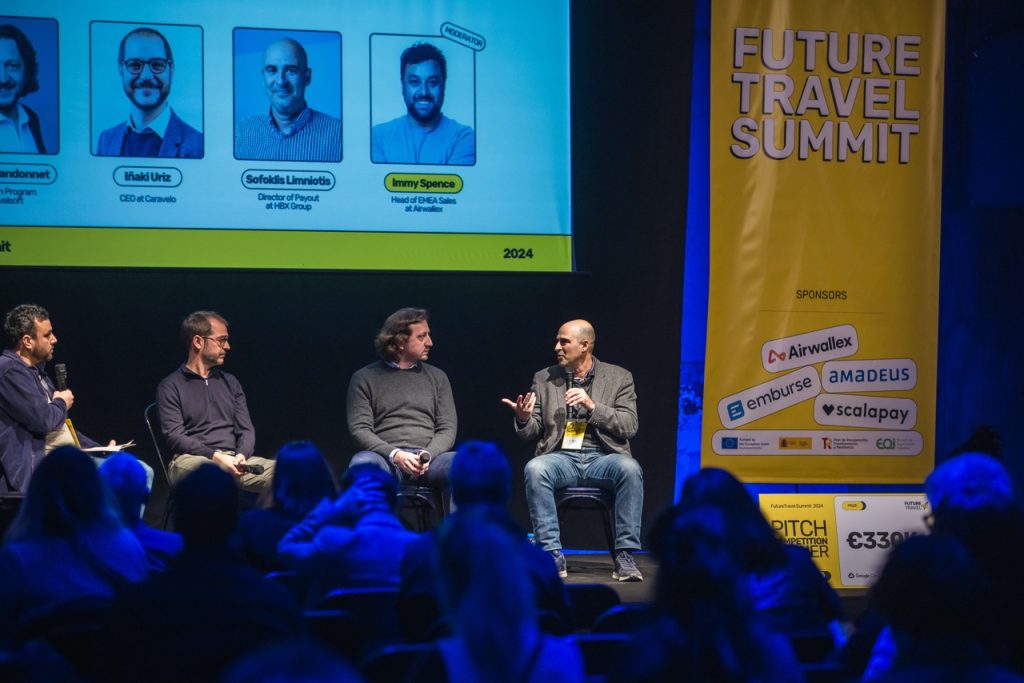
“We went to space in 1968, and it wasn’t until 1972 that we put wheels on luggage.” This quote from Sofoklis Limniotis (HBX Group), shared during a panel discussion at the FutureTravel Summit, perfectly captures the paradox of innovation: sometimes the solutions we need are right in front of us, but it takes a shift in perspective to see their potential.

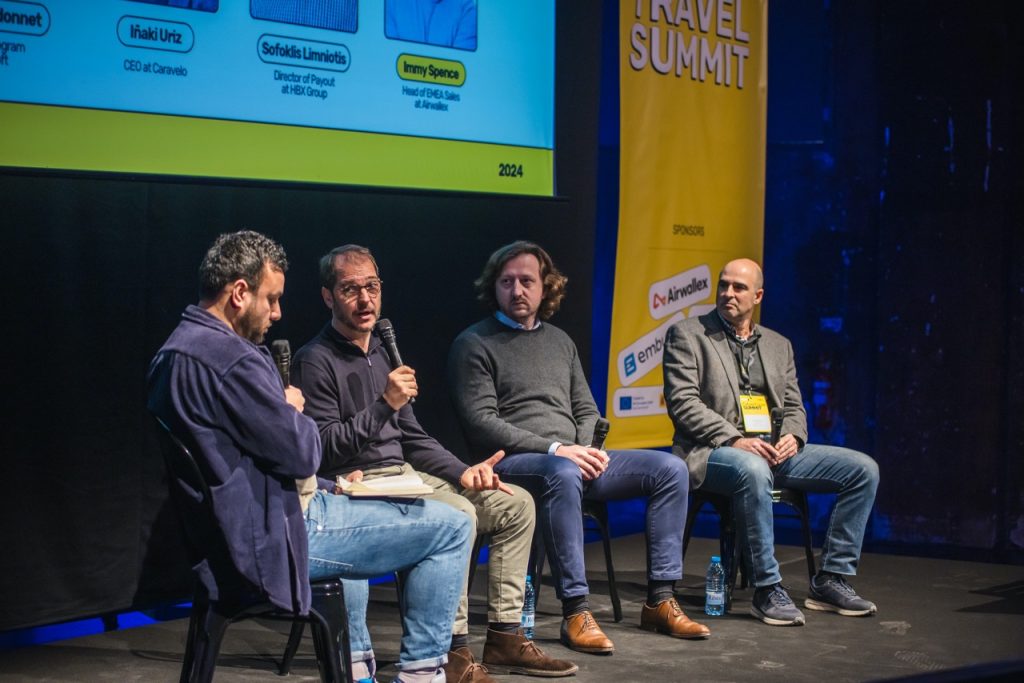
In travel, that spark often comes from fintech. Travel businesses recognise that their future lies not just in offering flights, hotels, or experiences, but in equipping financial technology as an arm of their business. This was the big takeaway from the FutureTravel Summit panel discussion, featuring Caravelo, Travelsoft, HBX Group, and Airwallex. The discussion started with the moderator, Immy Spence, from Airwallex (a fintech), asking how the fintech industry could better serve the travel sector. The answer from the panellists? The travel businesses who embrace existing financial technology solutions to build the next wave of innovative products may very well find themselves leading the way in years to come.

But how do travel businesses begin to bridge the travel-fintech divide?

An obvious place to start, according to the panel, is that payments need to stay connected across the entire booking cycle. From the moment a booking is made to when the service is delivered, seamless integration ensures transparency and trust – something that fintech is uniquely positioned to solve in such a complex, global industry.

Based on insights from the panel discussion, here are 5 ways travel businesses can stay ahead with fintech.

1. Cross-border payments flows fit for travel

Whether it’s paying global hotel/airline chains or local tour guides, collecting customer funds in different currencies, or managing staff expenses abroad, cross-border payments can feel like an endless headache. Delays, hidden fees, and FX risks add unnecessary complexity.

Modern fintech solutions are turning this around, making cross-border payments fast, transparent, and cost-effective. For example, travel businesses can accept and hold funds in multiple currencies, pay international partners at interbank rates, and avoid hefty conversion fees. This is a game-changer for businesses scaling globally, where every dollar saved counts.

2. Efficient FX management

Operating in multiple markets often means juggling different currencies and dealing with the risks of fluctuating exchange rates. Frequent conversions and hidden FX fees can quickly add up, costing businesses valuable resources.

Travel companies can collect, hold, and manage funds in multiple currencies, without needing to open local bank accounts. This makes it possible to pay suppliers or accept payments in their preferred currencies while minimising conversion costs. Imagine a DMC in Asia easily receiving payments in Euros from a European tour operator, holding the funds, and paying local European suppliers in their own currency. Sounds like fintech magic? It’s not – just efficient FX management!

3. Refunds done right

Travel disruptions happen – it’s part of the game. But delayed refunds? That’s a fast track to losing customer trust. The pandemic days showed us how unprepared many businesses were when refund requests came flooding in.

Luckily, automated tools now turn refund processing from a weeks-long nightmare into a same-day solution. By streamlining the process, travel companies can get money back to customers quickly, rebuilding goodwill and safeguarding their reputation when it matters most.

4. Busy trips & workflows

For travel management companies (TMCs) and corporate travel platforms, handling payments for business trips can feel like untangling a giant knot. From tracking expenses to reimbursing employees in different currencies, it’s often a slow and manual grind.

Fintech tools like virtual cards are simplifying corporate travel payments. Businesses can issue cards with spending limits and real-time tracking, making it effortless to manage expenses while staying compliant with company policies. Less time on admin means more time on growth.

5. Making payments safe

Fraudulent transactions and chargebacks cost the travel industry billions every year. As more customers shift to online booking, securing payment systems has become mission-critical.

AI-powered fraud detection tools integrated into fintech platforms spot suspicious transactions in real time, reducing fraud and chargebacks. These tools also protect customer data, building trust and ensuring compliance with global regulations.


As emphasized by the panelists on stage during the FutureTravel Summit, the best travel businesses are no longer just selling flights, rooms, or packages; they’re also becoming financial innovators. From Caravelo’s subscription-based models to fintech-first solutions powered by Airwallex, these businesses are setting a new standard for how things can be done.

The tools and technology are already here. As the HBX Group panelist said, sometimes the solutions are right in front of us; it just takes vision to use them. Imagine fintech as the missing link, helping travel businesses scale globally, simplify complexity, and build trust with customers.

The way money moves in travel is changing, for the better. Think about a travel startup in Berlin working with suppliers in Thailand or a local DMC in Peru catering to European travelers. Fintech is bridging these global gaps, making sure payments are fast, accurate, and transparent, no matter the currency or time zone.

If you are ready to bring fintech into your business strategy, 2025 is the perfect time to start.

Travel 2025: What Trends Are Coming?

Travel is changing. AI is making trip planning smarter, sustainable travel is picking up, and people are seeking more personal, meaningful experiences – at every step of their journey, from inspiration to the trip itself. 2025 will keep these trends moving forward.

To close this year, we asked travel leaders what they’re most excited about for the year ahead. From smarter tools to smoother trips and fresh ideas for how we explore the world, here’s what they think will shape the future of travel.

Ready to see what’s next? Let’s jump in!

Two trends I’m most excited about shaping the future of travel are passion-driven and wellness-focused experiences. Passion-driven travel is booming as people seek deeper connections to their interests, from iconic sporting venues to astro-adventures and curated cultural tours. Wellness travel, especially in groups, is also on the rise, blending relaxation with personal growth through yoga and mindfulness retreats—our yoga trips alone have grown 400%. Destinations like Bhutan and Belize are gaining traction for authentic experiences, while the Nordics and New Zealand remain favourites for natural beauty. These shifts signal an increasing desire for travel that supports personal enrichment, balance, and meaningful connections.

Erika de Santi
Co-Founder | WeRoad

AI has transformed chatbots, but by 2025, I believe its focus will shift to advancing real-life hotel experiences through actionable insights. The hospitality industry sits on vast amounts of data, and AI can now distill it instantly to support guest interactions. As a next iteration, I believe we will see AI going beyond insights to creating experiences – like alerting housekeeping about allergies or informing restaurants of a guest’s birthday. The more data the hoteliers capture in the systems, the better and more remarkable travel will become.

Matthijs Welle
CEO | Mews

In 2025, I see social commerce truly coming of age, transforming how people discover and book travel, including organized adventures. Mobile apps, AI, and interest-based discovery — like the kind popularized by TikTok — are converging to create seamless connections between inspiration and action.

With people spending more time on these platforms, the travel industry has an opportunity to meet them where they are. By leveraging AI and first-party data, companies can deliver highly personalized recommendations into their feeds, ensuring the journey from inspiration to booking feels effortless and intuitive.

Travis Pittman
CEO & Co-Founder | TourRadar

Innovation has always driven me — it’s what brought me to UN Tourism six years ago. Since then, I’ve seen the tourism sector thrive through resilience and innovation. What inspires me most is how technology strengthens the human connections at the heart of travel. As we enter the AI era, I’m excited to see entrepreneurs reimagine the sector. AI is not just a trend – it’s a revolution, projected to contribute between $15.7 and $19.9 trillion to the global economy by 2030, with generative AI alone adding $2.6 to $4.4 trillion annually. This transformative potential makes AI the future of tourism – and the future of tourism is already here.

Natalia Bayona
Executive Director | UN Tourism

For years, the ‘connected trip’—seamlessly integrating flights with local transport—has felt just out of reach. But I believe 2025 could finally change that, thanks to advances in ground and sea transportation. While planes have long dominated travel innovation, true potential lies in systems for buses, ferries, and trains. New GDS technology now lets platforms like Booking.com and Google integrate these modes effortlessly. At Travelier, we’re helping make this vision a reality, enabling travelers to book flights, buses, and ferries in one seamless transaction. Next year, this vision will scale, bringing the connected trip to life.

Noam Toister
CEO | Travelier

As we enter the new year, artificial intelligence will continue driving personalized and immersive travel experiences. Sustainable aviation fuels (SAF) are also gaining traction, paving the way for greener air travel. Innovations are tackling persistent frustrations, like lost luggage, with solutions from companies like ubloquity. On the ground, systems like Pegasus’ Midas enhance operations with intelligent de-icing, while Nabla’s weather prediction tech helps minimize disruptions. These advancements signal a future of air travel that’s more efficient, customer-focused, and tech-driven than ever.

Nichola Bates
Managing Partner | Aerospace Xelerated
Head of Global Accelerators and Innovation Programs | Boeing

After Covid, we have seen a significant shift in customers’ preferences from buying goods to living experiences which has been extremely favorable to travel. The segment of travel that has benefited the most from this trend has been the one that involves discovering new cultures in remote destinations. This is why we are so bullish at Exoticca as we believe this trend will not only continue, but also accelerate in the coming years as traveling to these destinations becomes more affordable.

Pere Valles
CEO | Exoticca

In 2025, AI will revolutionize travel planning, with 42% of people planning to use it for trip organization, according to a HomeToGo survey. While AI optimizes travel, a seamless, end-to-end AI travel companion is still rare. Next year, I expect travel tech players to step up with holistic AI solutions combining search, booking, and post-trip support. At HomeToGo, we’re leading this shift with Super AI Sunny, our future sidekick designed to guide guests through every aspect of travel planning. We’re excited to push boundaries in 2025 and see how others innovate in this space.

Dr. Patrick Andrae
CEO & Co-Founder | HomeToGo

→ Subscribe to our newsletter for a weekly curation of the top travel news, straight to your inbox.

Highlights from FutureTravel Summit 2024

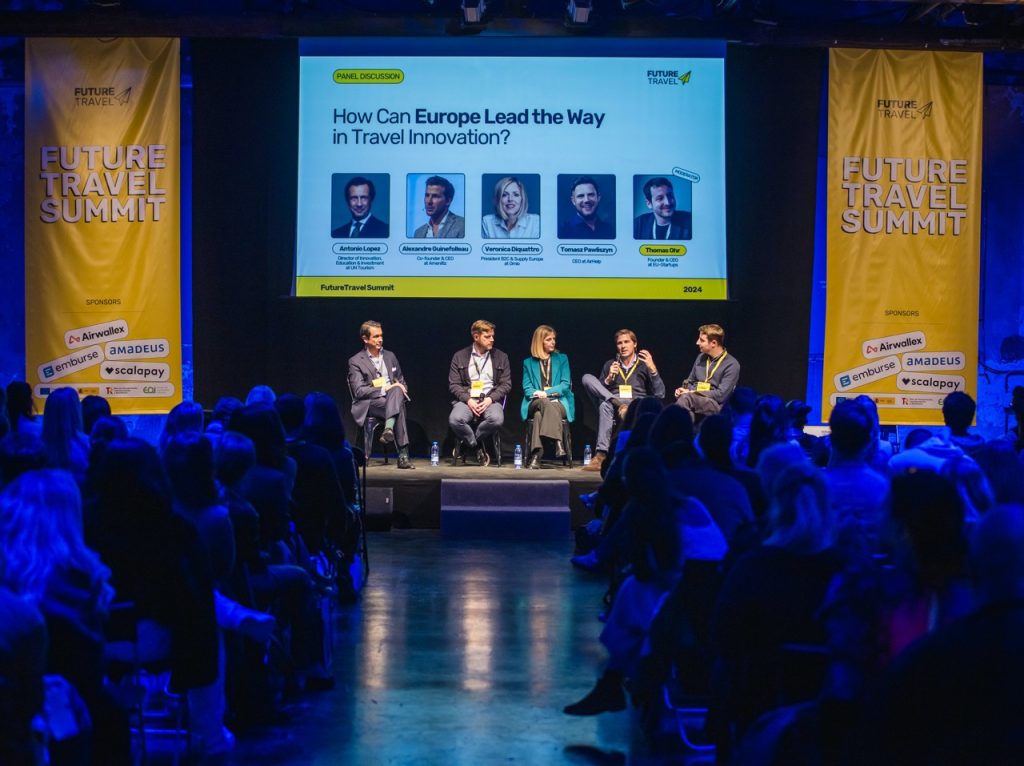
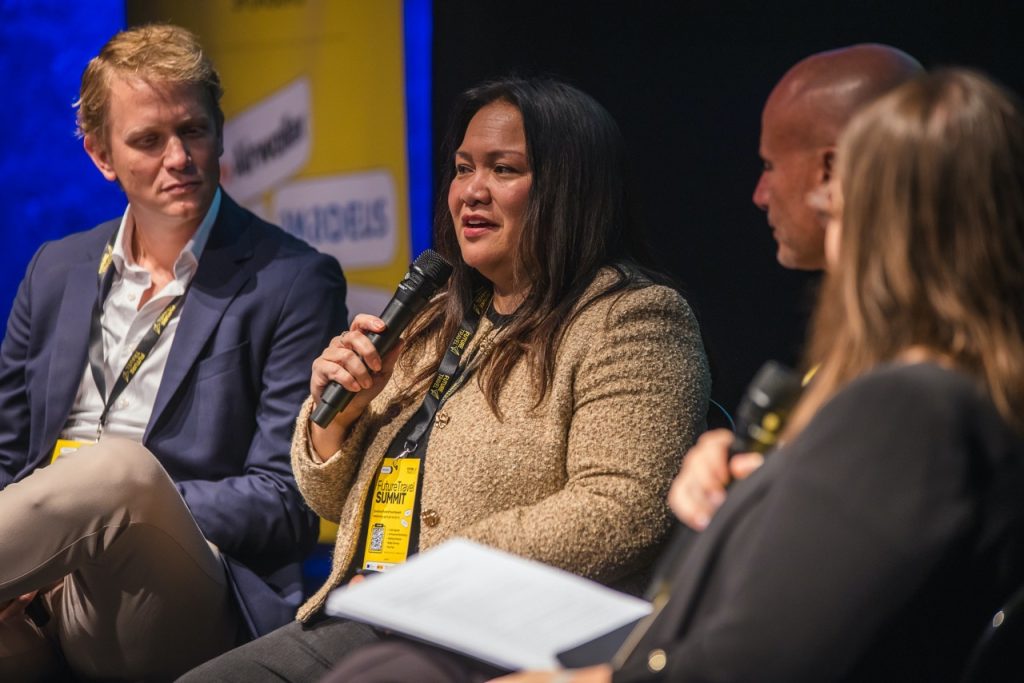
The FutureTravel Summit 2024 has wrapped up, leaving us inspired and excited about what’s next for travel. Hosted in Barcelona at the iconic Palo Alto (a very chaming repurposed factory surrounded by greenery), the venue reflected very well our commitment to rethinking what’s possible and embracing fresh perspectives in the travel industry.

On stage, we saw great keynote speeches, engaging panel discussions, and an amazing pitch competition featuring top travel startups from around the globe. The goal was to bring together brilliant minds driving innovation in travel – and we’re proud of what we delivered. Beyond the stage, the gardens and open spaces came alive with conversations, insights and new connections, creating the perfect blend of inspiration and networking opportunities.

A big thank you to our sponsors, media partners, and partners. Your support helped make this year’s event unique – whether through thoughtful contributions, engaging activities, or simply being part of this journey.

Highlighting future industry leaders

In addition to highlighting the groundbreaking innovations and trends shaping the future of the travel industry, we also showcased emerging talents and entrepreneurs driving the sector forward. One of the event’s key moments was the Pitch Competition, where 8 finalists (selected from over 260 applicants) presented their exciting business ideas on stage.

And now, the moment we’ve all been waiting for – the winner of the FutureTravel Summit Pitch Competition 2024 is… Belli!

Ana Metz (Founder and Editor, FutureTravel) and Jeff Pan (Founder, Belli)

Crowned as this year’s pitch competition winner and scoring an impressive grand prize, Belli is transforming how airlines manage air cargo operations. You can read more about it here.

Belli’s victory comes with an exceptional prize package worth €330k, which includes: Up to $350,000 in Google Cloud credits, including 1 year of free Google Workspace for new signups in the Startup Program; €9.9k in credits for an explainer video maker account of simpleshow; €2.2k in 1 year Guru Plan for SEMrush which gives access to their SEO and online visibility management SaaS platform; €2k worth Exhibition Booth at the EU-Startups Summit 2025 including 3 event tickets; and a mention in the FutureTravel Newsletter and dedicated features on EU-Startups.com, amplifying the winner’s visibility across key industry audiences.

Thank you to our sponsors

The FutureTravel Summit was possible thanks to the support of our amazing sponsors:

Airwallex is a leading global financial platform for modern businesses, offering trusted solutions to manage everything from payments, treasury, and spend management to embedded finance. With their proprietary infrastructure, Airwallex takes the friction out of global payments and financial operations, empowering businesses of all sizes to unlock new opportunities and grow beyond borders. Proudly founded in Melbourne, Airwallex supports over 100,000 businesses globally and is trusted by brands such as Brex, Rippling, Navan, Qantas, SHEIN and many more.

Travel powers progress. Amadeus powers travel. Amadeus’ solutions connect travelers to the journeys they want through travel agents, search engines, tour operators, airlines, airports, hotels, cars and railways. Amadeus helps connect over 1.6 billion people a year to local travel providers in over 190 countries. They are a company with a global mindset and a local presence wherever their customers need them. Their purpose is to shape the future of travel. They are passionate in their pursuit of better technology that makes better journeys.

Emburse provides innovative travel and expense management solutions trusted by over 12 million professionals worldwide. Serving 20,000 organizations in 120 countries, we help Global 2000 companies, SMBs, public agencies, and nonprofits streamline travel planning, booking, and expense management. Our automated, mobile-first solutions eliminate manual processes, saving time, enhancing financial visibility, and improving spend control and compliance. This enables organizations to optimize business travel, empowering their teams to focus on delivering meaningful value.

Scalapay is revolutionizing the travel industry with its innovative Buy Now, Pay Later (BNPL) solutions. As a leading player in Southern Europe, Scalapay empowers travelers to book experiences, trips, and accommodations with flexible payment options, driving higher conversion rates for travel brands. Their seamless integration allows partners to offer a stress-free way for customers to enjoy travel today and pay over time, enhancing both customer satisfaction and business growth. Scalapay’s community of 7 millions users is a precious opportunity for every travel company to meet their target audiences!

Check out the photos from the event – maybe you’ll spot yourself! Enjoy, and we can’t wait to see you next year!